Canadian Fred Mandel will be best known for his keyboards/ piano/ guitar work with Alice Cooper and Queen. He started with Alice in May 1977, hired by Alice’s musical director Dick Wagner. From the 70s era he appears on The Alice Cooper Show live album (1977) and From The Inside (1978). When Alice reconfigured things for the 80s Fred was an intrinsic part of the process.
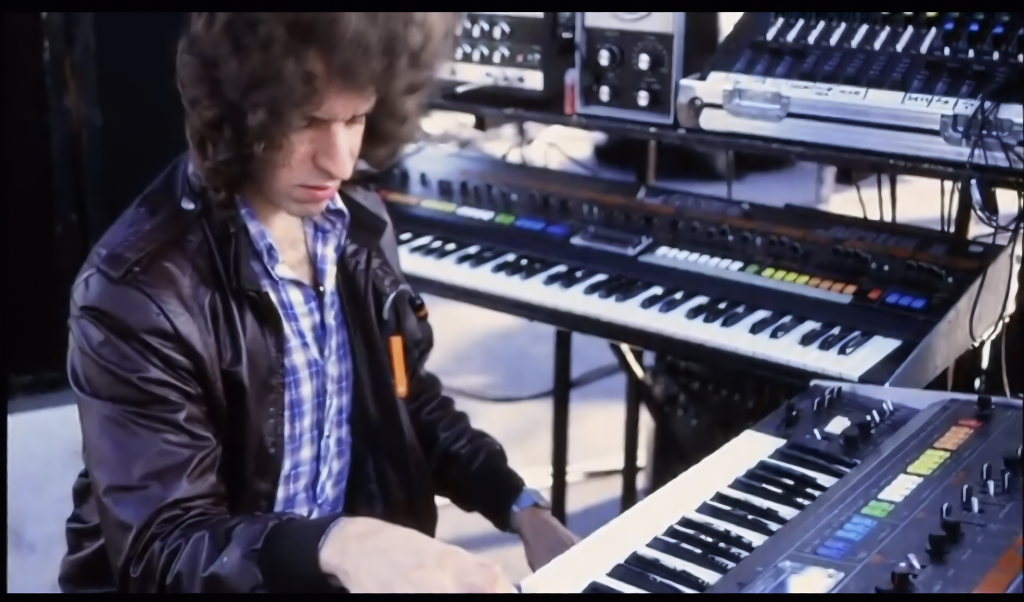
Following the end of the Mad House Rock tour (for From The Inside)in 1979 your role with Alice substantially increased didn’t it? As time went on I became de-facto musical director. Davey Johnstone (guitar) and Dee Murray (bass) had joined in 78, and I was the only guy left that knew the stuff. Alice and I had a good relationship. He had a new record to do and we started writing but it was a fairly unorthodox method that we used. We originally started with Todd Rundgren and we did a few songs and we merged the two bands, his Utopia and Alice’s band, which was primarily Davey and myself at that point. Todd was producing, Willie Wilcox was on drums, Kasim Sultan on bass and Roger Powell on keyboards and synthesiser. I played piano and Davey played guitar. We did two tunes together. We did a song I had written called Pain and we did a thing called Road Rats – I played guitar on that one. Both songs ended up in the Roadie film.
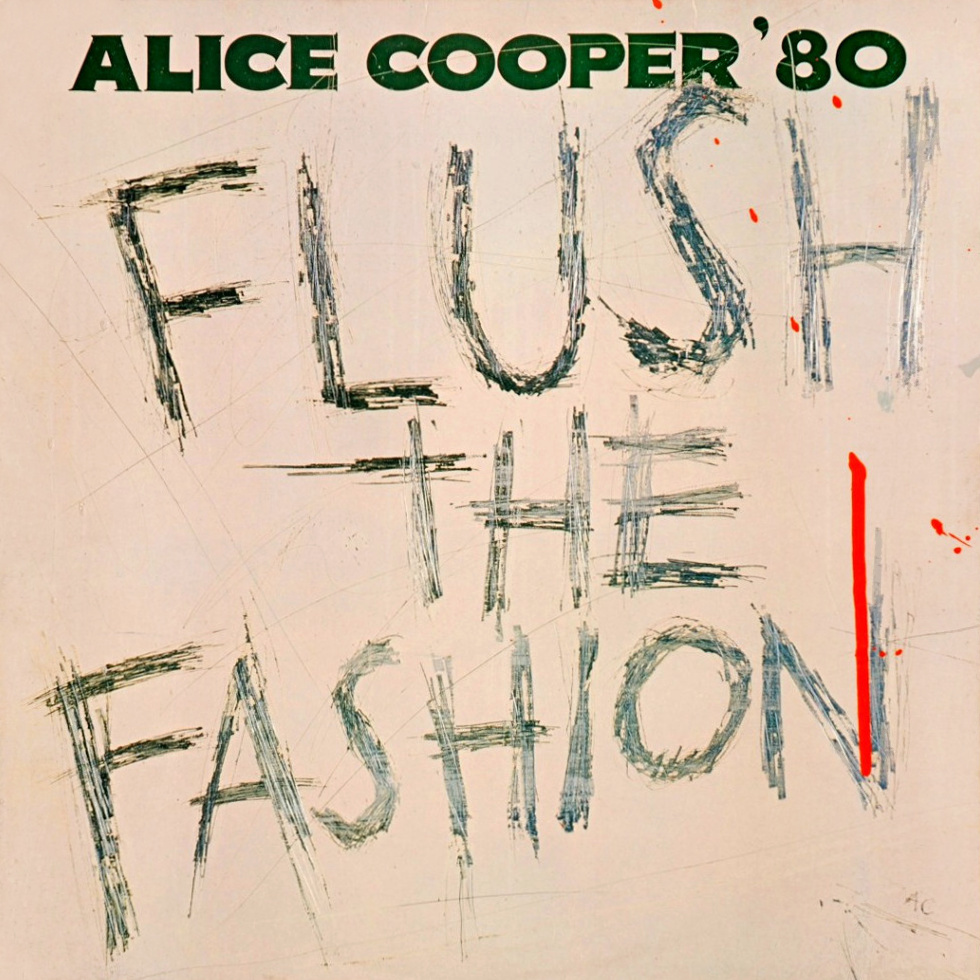
The first album for the 80s was Flush The Fashion which marked a new look and sound for Alice. What was the idea behind the title? I think it was an ‘out with the old in with the new’ analogy. We were going to go with Todd for the album, but Alice made the decision to go with Roy Thomas Baker. So then we started recording at Cherokee with the band on the album. Davey brought in Dennis (Conway – drums) and John (Cooker Lopresti – bass).
As well as playing on the album you also co-wrote six songs. Somebody had to do it (laughs). I ended up doing a lot of the writing. I was writing these things simply from titles. For example I had the title for Pain, but no lyrics. The same for Model Citizen and the other songs. I was trying to write a rock album, but somehow it ended up sounding new wave to me, which was not my intention personally. I wanted a Heavy Rock album but it just didn’t get there. I actually had eight tunes written for that record. Six made the record and two were carried over for Special Forces. Prettiest Cop On The Block was a tabloid heading.
The songs originated from titles, partial phrases or ideas musically and then lyrically. I would get an idea based on Alice’s ideas and then he might get some lyrics. So it developed that way as we went along. Davey and I would cement the arrangements at my apartment. By the time we went in the studio Alice was still writing some lyrics.
You mentioned the band but there is also a drum machine too isn’t there? Roy Baker played the drum machine parts. That was a Roy production idea, he had one of the little drum machines that were around then.
And you also played rhythm guitar. I had been playing keyboards but for this album and tour I switched to guitar because I wrote all the music on guitar. Davey and I both played rhythm. We would cut the tracks with double guitars, Davey played his Les Paul and I played my Strat (which I bought from Alice actually). Davey played all the lead parts. I was handling keyboards, synthesiser and guitar. Davey and I also worked on the arrangements so we didn’t go in cold to the studio. I would get ideas from the titles and take them back, and some I went the whole way through on the idea. We agreed a three way split on the compositions – me, Alice and Davey.
Roy was a huge organiser and he set up the tracks ready for Alice to come in and sing. He helped direct the tracks a lot. He was using an unorthodox recording method, a 40 track Stevens machine. The guy Stevens was in jail and if there was a problem Roy had to call the prison to get him to help with the technical details. We were in the studio for about a month. Everything was pretty much cut live off the floor, except for the synthesiser stuff.
The album’s sequencing was done by Alice and Roy reckoned Fred. It opens with a brilliant cover of The Music Machine’s Talk Talk. It’s almost a summary of Alice’s position in the music world in 1980. That was Alice’s idea to do that track. It made a good contrast.
Clones follows. Along with Pain, it’s one of the two big signature songs on the record isn’t it? Davey brought that one in by one of his friends (David Carron). I liked it, it was very Gary Numanish. It was the best single for the time. I played synthesiser on it. I think Clones helped propel that album.
Pain is a classic Alice song. It’s almost like a Samba with the Latin undertones, but it’s an ominous tune. It’s got some classical structure to it with the piano figures. So I was incorporating that with a rock approach. I sang the solo melody to Davey. I had the whole thing structured in my head. It was the only song I wrote on piano for the album. I did the orchestral stuff on it. Alice had those lyrics prepared before we went in the studio. Pain was cut with one guitar and we had piano instead of second guitar.
Leather Boots is a fun song but not one of the best. The writer Geoff Western was a friend of Dennis’s. That came out of left-field. It was a strange kind of throw away tune. I don’t have a huge opinion about that one, I wasn’t really impressed with it as far as where it fitted into the picture. But I think it was a good tune for the times.
Aspirin Damage also isn’t one of my favourites, but I do like the title. A lot of these titles came from tabloids.
Model Citizen I think is terrific. Tongue in cheek and the whole performance works. I came out of a Fusion band when I was in Toronto so this has some strange timing things for Alice. It’s 5/4 timing at the beginning, then it goes to 4/4 and then at the very end back into 5/4. The Deep In The Heart Of Texas part was Alice’s idea. It was originally supposed to sound more like this (Fred plays the riff in a grittier style).
Nuclear Infected is next up. It certainly puts a breezier spin on the subject matter doesn’t it? Well again it wasn’t that way when we came up with it. (Fred plays the choppier riff style that was intended).
Grim Facts has a killer riff from Davey and Alice is on top form with the vocals. That was primarily a Davey Johnstone composition. I had little to do with that one. He came in with a pretty full track on that.
Dance Yourself To Death is one of the most different tracks, a much looser vibe to it. Very Stonesy. It’s a traditional rock tune and I think it would have fit in more if the other tunes weren’t so New Waveish. I like the feel, the groove on it, it was fun playing it. It was another one that kind of popped in to the repertoire because I had eight songs already. Ironically it was closer to the feel I was aiming for overall.
Headlines finishes the album. Again I love the guitar rhythm. That was based on a whole rhythm thing from Toronto (plays it). That was influenced by Dominic Troiano’s guitar playing (from The Guess Who). Davey came up with the chorus part.
Apart from two songs we will talk about later, were there any other songs from you that could have made the album? I had recorded a couple of ballads, because I was trying to come up with something in the tradition of Only Women Bleed. One, called It Rains, was recorded by Davey, Dennis, Dee and myself but it never made the record. I still have that track and I might do something with it because it was a good tune I thought. I wrote it entirely on my own for Alice. Another song was called My Machine which was a kind of New Wave track.
Alice toured in support of the album. Drummer Ross Salomone told me he put the rest of the band together which included Mike Pinera (guitar), Erik Scott (bass) and Duane Hitchings (keyboards). I don’t know where Ross came from, and I didn’t know Duane either. I was the only one who knew most of the set. I loved that tour because I was playing guitar and it gave me a chance to break out. It was really refreshing. We weren’t doing a lot of stuff that had intricate guitar lines. Flush The Fashion doesn’t have that dynamic. A lot of the rhythm parts required two guitars to get the power, and that was the way we did the album. I got a solo on School’s Out.
I thought Duane did a great job with the keyboard parts. I only played one song on keyboards, which was Pain. Duane played the string parts while I played electric piano, a Yamaha.
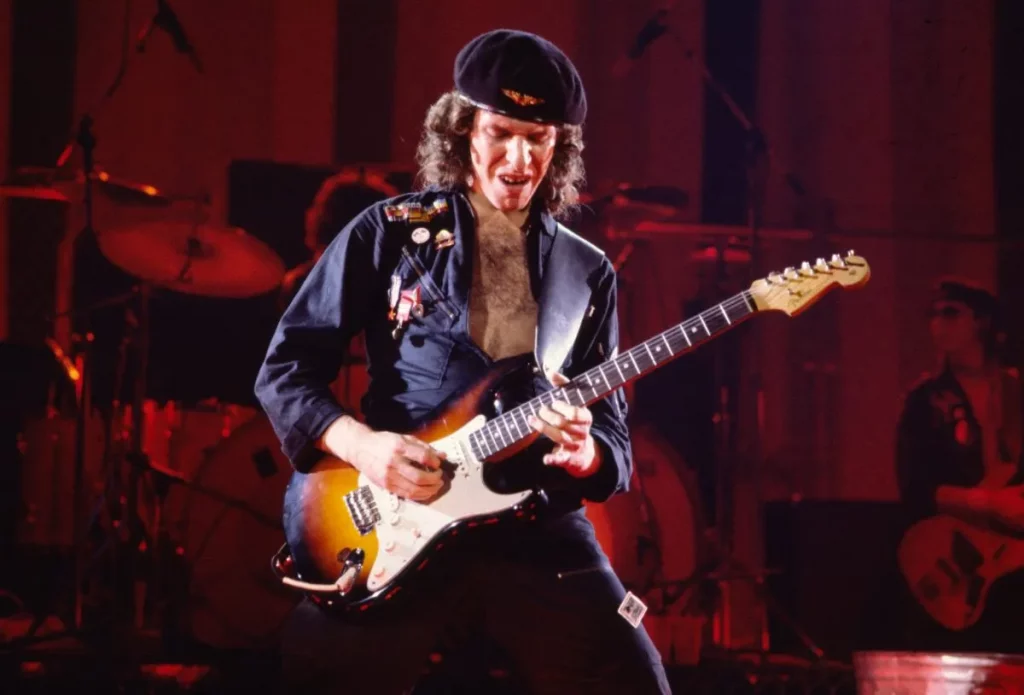
What was the stage set like? Alice wanted to pare everything down with a military style commando look onstage. We were in berets, torn shirts and kind of military camouflage stuff. The set was very bare. There was no guillotine, monsters or dancers, just a straight rock ‘n’ roll approach. The Fashion tracks were aimed to be played live.
On the live recordings it’s noticeable that there are lyrical glitches, or variations, from Alice. I didn’t notice but I was in the heat of battle playing guitar. But you know I don’t think he was doing that great at the time.
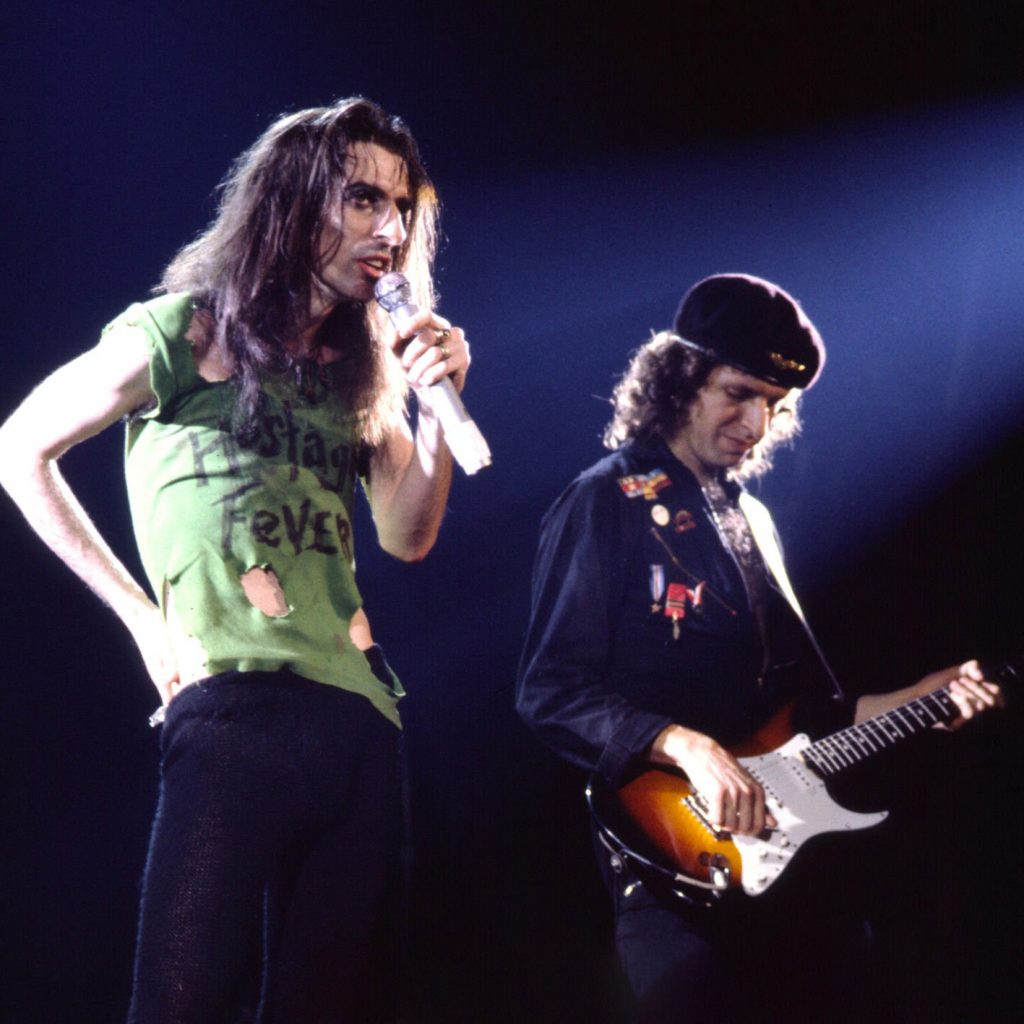
I read that there were some incidents during the tour. We were rushed out of Cobo Hall in Detroit because there was a rumour there was a sniper in the auditorium. We were given a police escort around limousines to get us out of the area. Of course they told us this after the show was over. Then we were tear-gassed in St. Paul, Minneapolis during the show. The whole auditorium was emptied because of a military tear gas cannister.
Then finally the tour culminated (on August 19) with a riot in Toronto. It was my first time playing my home town and it turned into a pretty heavy deal. This was the last night of a three month bus tour and Alice was sick. Somebody went up and announced it, an hour after the opening act, and the crowd started throwing chairs at our amplifiers. It turned into a bad scene with 17,000 people and the police rushed in and helicopters were coming in. I decided it was time for me to move on. I handed in my notice and headed on down the road to Queen. I left before they went to Mexico. We had done a three month bus tour of the US and the last one I recall playing was Toronto.
A year or so after you left we got Special Forces from Alice with two songs on it left over from Flush The Fashion. Though both could have still fitted on Fashion. Alice wasn’t in the best of shape and I can’t recall the decisions which were made. Things were somewhat chaotic. I had written eight tunes and then we had too many for the album because we brought in other peoples tunes – Clones, Leather Boots, Talk Talk and Dance Yourself To Death.
Special Forces was recorded at Richard Polodor’s studio. I was unaware that they had cut those two tracks till after the fact and they didn’t sound like what I had envisioned.
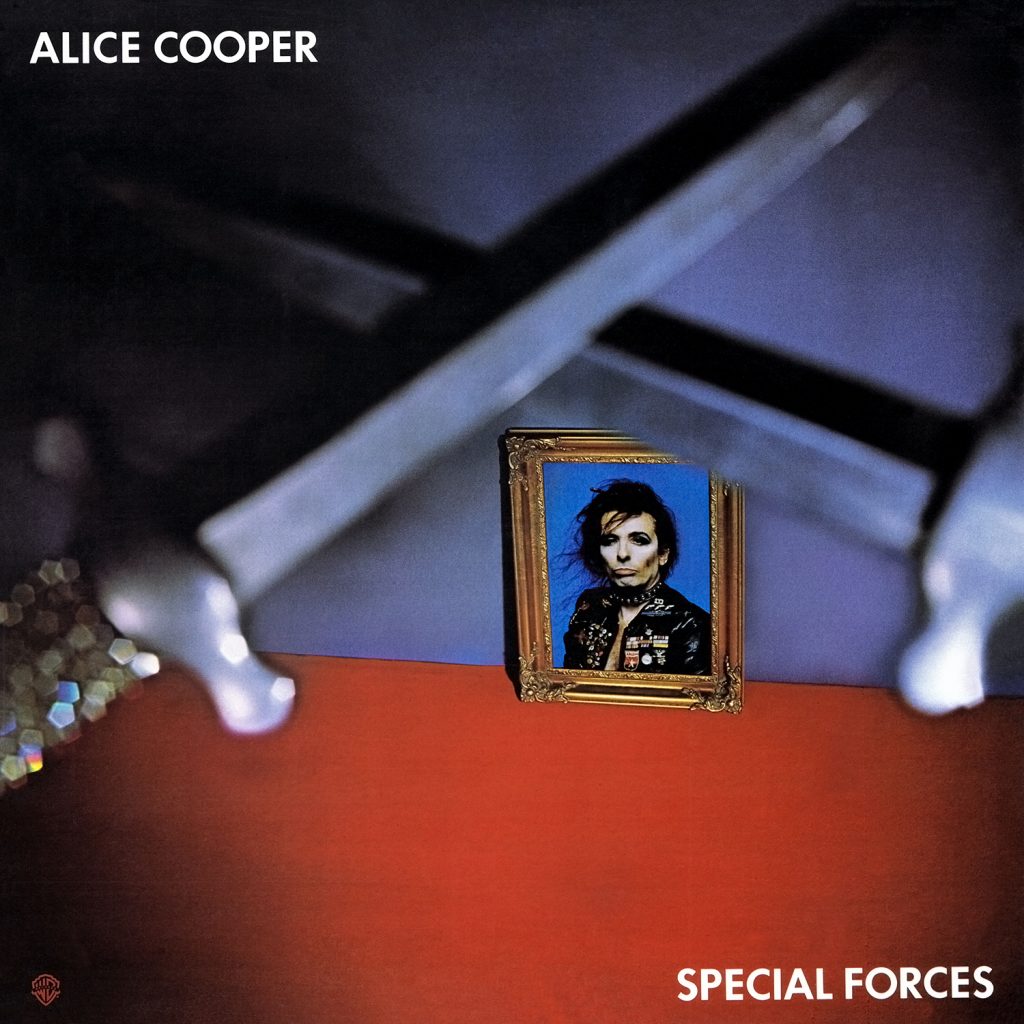
The first of the two on Special Forces is Prettiest Cop On The Block. I envisioned as a much harder rock track than it ended up being. (Fred played it for me on his Gibson in a more riffy dirty style). I had different lyrics for it and Alice changed the lyrics for that tune. I had something I wrote to sing the melody for him.
The second one is Don’t Talk Old To Me. The melodies on that could have been from Fiddler On The Roof, strangely enough. The melodies were musical theatre in a weird way. (Fred’s wailing guitar original take is stunning). (Fred added that neither of the two were recorded during the Fashion sessions).
My thanks to Fred for his time. This interview is a fuller piece which was then edited and used in my book Alice Cooper In The 80s.